
Eggless Baking Techniques: How to Bake Cakes, Cookies & Desserts Without Eggs : Eggless baking has been getting more and more popular with home bakers and even professional pastry chefs. Mostly, people do it because of dietary preferences, allergies, vegetarian lifestyles, or maybe they just ran out of eggs at home. So now a lot of bakers are searching for a way to make tasty baked things without eggs. The good part is that eggless baking is absolutely real, and it can still turn out soft cakes, chewy cookies, airy muffins, and even rich desserts, with really nice flavor and texture.
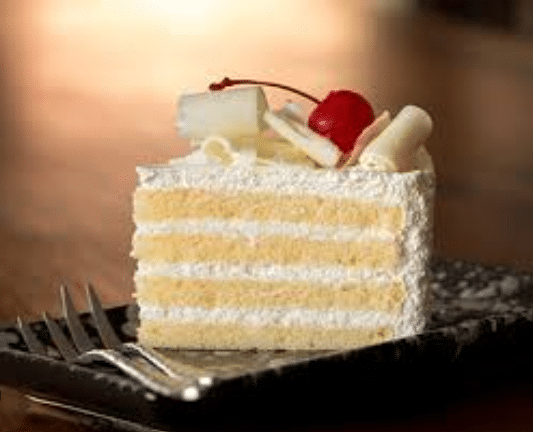
Traditionally, eggs do a lot of important work in baking. Like, they help with structure, moisture, binding, lifting, and that richer feel in baked things. But if you use the right methods, plus the right ingredient substitutes, most of those jobs can be matched fairly well. Knowing how each egg replacement actually behaves, in real use, is basically the key to baking without eggs and still getting good results.
Why Eggs Are Used in Baking
- Eggs are help to bind ingredients together.
- It provide moisture and richness.
- They help baked goods rise and become fluffy.
- Eggs also improve texture and structure.
- They add color and flavor.
Since eggs do a few different things, picking the right substitute depends on what dessert you’re cooking, and specifically which version it is.
Best Egg Substitutes for Baking
1. Yogurt:
Yogurt is one of the most common substitutes for eggs in cakes and muffins. It brings moisture in and makes a soft texture, like you want. Plain yogurt usually works best, because it doesn’t really bully the dessert flavor.
Yogurt is useful for:
- Cakes
- Cupcakes
- Muffins
- Quick breads
2. Mashed Banana:
Mashed bananas give a natural sweetness and moisture; they can be really good for baked goods, however they might maintain the flavour.
Mashed Banana is beneficial for:
- Brownies
- Banana bread
- Pancakes
- Muffins
3. Applesauce:
Unsweetened applesauce acts as a binder, and it boosts moisture. With it, the baked goods come out soft and more tender, not too dry.
Applesauce is mainly used in:
- Cakes
- Cookies
- Brownies
4. Vinegar and Baking soda:
This mixture works as a powerful raising agent and helps cakes rise beautifully.
Benefits of Vinegar and Baking Soda:
- Sponge cakes
- Vanilla cakes
- Chocolate cakes
5. Flaxseeds and Chia Seeds Mixture
Flaxseed and chia seeds are really cool because when you mix them with water, they get all thick and gel-like. This makes flaxseed and chia seeds very good at holding things like a special kind of glue.
Benefits of Flaxseed and Chia Seeds
- Cookies
- Brownies
- Pancakes
- Dense cakes
Essential Eggless Baking Techniques
1. Measure Ingredients Accurately
Eggless baking requires proper measurements because substitutes react in a different way than eggs. Too much liquid or flour can change the texture. Using measuring cups and kitchen scales ensures consistency.
2. Do Not Overmix Batter
Overmixing occurs when there is excess gluten, which can make cakes dense looking weird. Mix ingredients properly until just mixed to maintain softness and lightness.
3. Use Fresh Leavening Agents
Baking powder and baking soda are more important in eggless baking because they help create a well and make it look good. Always use fresh agents for the best results.
4. Balance Moisture Carefully
Egg replacements are yogurt, bananas, and applesauce, which increase moisture levels. If the batter becomes too wet, it makes the cake batter too gummy or undercooked. Adjust all the ingredients accordingly.
Eggless Cake Baking Tips
1. Use Oil Instead of Butter
Oil helps to make cake softer and moister eggless cakes compared to butter. Neutral oils such as sunflower or vegetable oil are beneficial for eggless cakes.
2. Sift Dry Ingredients
Sifting flour, cocoa powder, and baking powder helps to bake the eggless cake properly.
3. Add Acidic Ingredients
Ingredients like vinegar, lemon juice, or buttermilk mix with baking soda properly to enhance the cake’s rise and texture.
4. Avoid Overbaking
Eggless cakes can dry out quickly if baked for a longer period. Check for doneness using a toothpick inserted into the center.
Eggless Cookie Baking Tips
- Chill the Dough
- Use Brown Sugar
- Add Cornstarch
- Monitor Baking Time Closely
Common Eggless Baking Mistakes to Avoid
- Using the Wrong Substitute
- Ignoring Batter Consistency
- Opening the Oven Frequently
- Skipping Cooling Time
Health Benefits of Eggless Baking
- Suitable for vegetarians
- Helpful for people with egg allergies
- Can reduce cholesterol levels
- Offers lighter dessert alternatives
- Encourages creative ingredient usage
Frequently Asked Questions (FAQ’s):
Q1. Can cakes be baked without eggs?
Yes, cakes can be baked without eggs by using alternatives like yogurt, mashed bananas, applesauce, or vinegar with baking soda.
Q2. What is the best egg substitute for baking?
The best substitute depends on the recipe, but curd, flaxseed gel, and mashed fruits work well in most baked desserts.
Q3. Do eggless cakes taste different?
Eggless cakes can taste just as soft, moist, and delicious as traditional cakes when balanced ingredients are used properly.
Q4. How do eggs help in baking?
Eggs provide structure, moisture, and softness while helping baked goods rise evenly.
Q5. Can I make cookies without eggs?
Yes, eggless cookies can be prepared using milk, butter, cornstarch, or nut butter for texture and binding.
Q6. Why are my eggless cakes dense?
Dense cakes usually result from overmixing the batter or using too little leavening agent.